Spring Detox & Natural Glutathione Production

How to increase your levels of a powerful antioxidant without the use of supplements
— Contributed by Virginia Schuler, L.Ac.
Finally, flowers have bloomed! As the earth turns green, our bodies get ready to wake up and embrace some spring cleaning. If you’ve read this blog before, you probably know that traditional Chinese medicine follows the principle of correspondences: seasons, organs, emotions, elements, and colors resonate with each other to provide a roadmap for wellness.
Spring corresponds with the liver and the color green. Think detoxification with the help of verdant veggies. Now’s the season to stock up on leaves.
Since we’re discussing detoxification and the liver, I want to touch on a wellness buzzword: glutathione. Glutathione is a powerful antioxidant that’s synthesized in the liver. It helps protect the liver itself as well as the entire body by scavenging reactive oxygen species, which damage cells.
You may have heard of supplements like N-acetylcysteine (NAC) and Nicotinamide adenine dinucleotide (NAD) for their ability to increase glutathione production, but this post will focus on how to increase it naturally through food therapy, movement, and acupuncture.
Detoxifying Foods
One of the best ways to support detox pathways is to eat a diet that fosters healthy digestion. If you’re constipated, your body will reabsorb toxins and hormones like excess estrogen via the stool in your intestines. Eat fiber, a variety of cooked vegetables, and fermented foods to promote regular bowel movements. If you feel like you’ve tried the basics and you’re still constipated, book an appointment with your acupuncturist so they can help you address the underlying imbalance harming your digestive health.
In addition to having regular bowel movements, your body’s ability to detox depends on a healthy liver. Luckily, a number of foods can help you naturally increase glutathione production, which is hepatoprotective:
• Foods with intrinsic sources of glutathione: Many fruits and vegetables contain glutathione, with asparagus, avocados, and spinach ranking especially high. Your body can absorb pre-formed glutathione from foods better than it can from supplements, but digestive enzymes still deconstruct a significant amount of it. The good news is that glutathione-rich foods help your body synthesize its own form of the antioxidant by offering the building blocks for its creation.
• Cruciferous vegetables: Sulfuric vegetables like broccoli and Brussels sprouts serve as especially effective precursors for glutathione. Sulfur indicates the presence of the amino acid cysteine, which is a key (and often missing) component for glutathione synthesis.
• Selenium-rich foods: These include Brazil nuts, sprouted-grain breads, and meats. Selenium acts as an essential co-factor for glutathione peroxidase, the enzyme that helps glutathione dissolve toxins. It also promotes the recycling of glutathione, increasing your body’s overall levels.
Movement Is Medicine
Here at Hendersonville Acupuncture, “movement is medicine” is our theme for March. That’s because movement is one of the best ways to detox. All forms of exercise naturally increase glutathione levels over time, but let’s look at one of the oldest forms of medicinal movement: yoga.
If you think of glutathione as money in your body’s antioxidant bank, you can view yoga as a buffer that prevents overspending. The rhythmic breathing that enlivens your yoga practice reduces oxidative stress while twists and inversions help leech toxins from your tissues, all of which prevent your body from blowing its glutathione budget.
How Acupuncture Increases Glutathione
Acupuncture cleanses the body in a few ways: It decreases inflammation, improves circulation, and moves lymphatic fluid, clearing toxins from your tissues. Acupuncture also increases glutathione production on a genetic level. By activating the nuclear factor erythroid 2-related factor 2 (Nrf2) pathway, it helps regulate the genes that produce glutathione. When an acupuncture needle penetrates your body, it provides just enough of a stress stimulus to trigger an immune response without overburdening your system, thereby activating the Nrf2 pathway. When Nrf2 goes into gear, it catalyzes the expression of genes and enzymes that promote glutathione production.
Yin & Pins
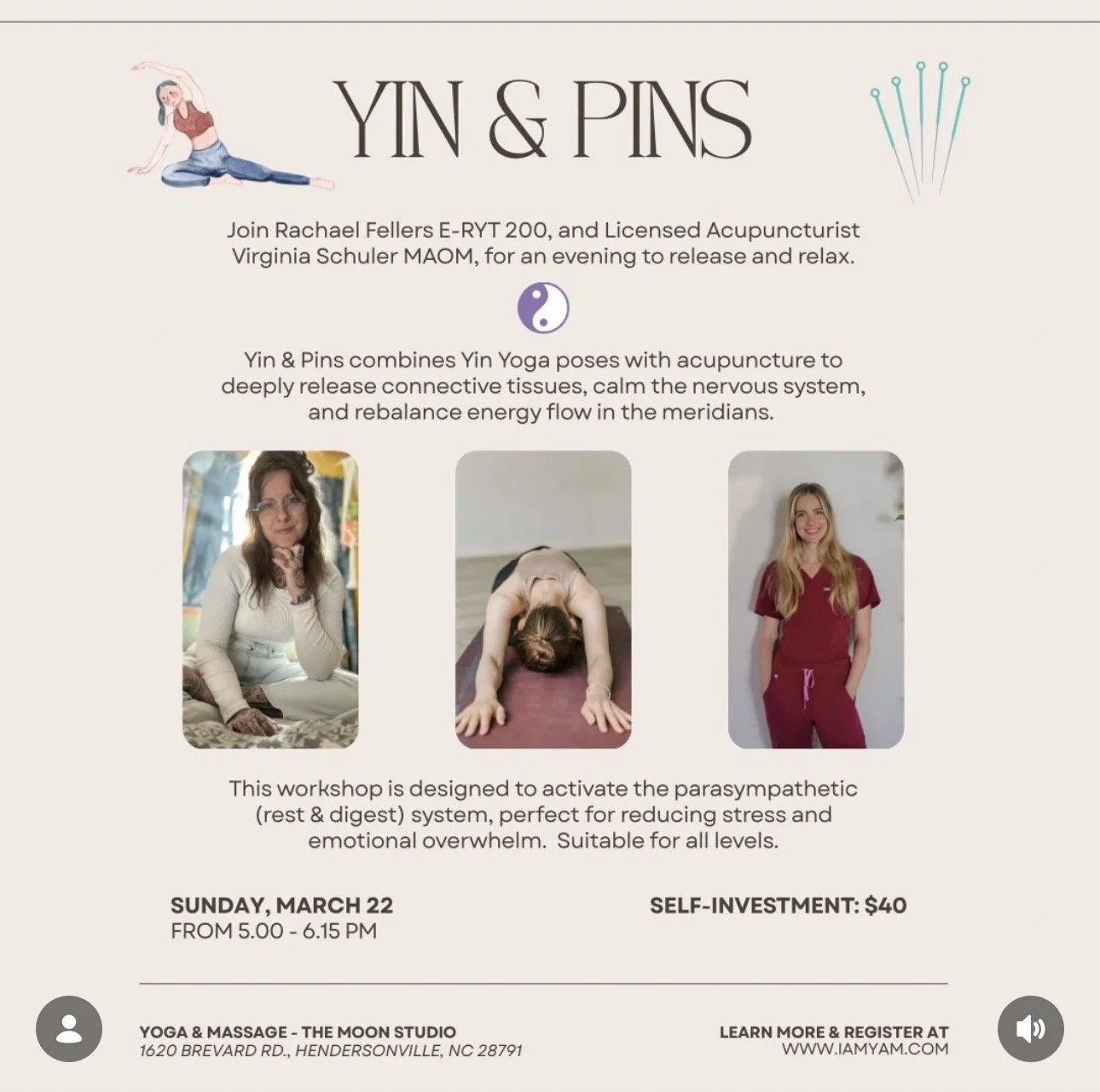
In honor of springtime and the season of liver health, we’re hosting an event that combines two pro-glutathione activities: acupuncture and yoga. It’s called Yin & Pins and is happening on 3/22/26. Registered yoga teacher Rachael Fellers and I teamed up to design a sequence that includes restorative yoga poses and compatible acupuncture points. Participants will hold poses for about 10 minutes and I will insert a needle for each one. This 90-minute class will help release toxins, soothe connective tissues, and tonify your vagus nerve to activate your rest-and-digest nervous system. You can register at www.iamyam.com.
Happy Spring and I hope to see you on Sunday for Yin & Pins!